The Siren
The Siren is the name given to the mysterious, enchanting voice that rises from the waters of the underground lake beneath the Paris Opera House, a deadly guardian of Erik's secret domain. It is not a supernatural creature but one of Erik's most ingenious inventions, a long reed that allows him to breathe and sing while hidden beneath the water's surface, luring intruders to their doom. The Siren's song nearly kills The Persian, who ventures onto the lake in search of Erik's hidden house, and it is later implicated in the death of Count Philippe de Chagny, whose body is found on the lake's bank. The Siren represents the seductive and lethal power of Erik's artistry, a trap that turns the beauty of music into an instrument of death.
The Siren's Song and Its Guardian Role
The Siren is first encountered in The Persian's narrative, when he attempts to cross the underground lake to reach the house on the lake where Erik has imprisoned Christine Daae. As he rows his little boat across the calm, black water, he is surrounded by a whispered singing that hovers all around him, half breath, half music, rising softly from the waters. The voice is so soft and enticing that it does not alarm him; instead, it draws him closer, and he leans out of his boat, impelled less by a desire to discover its trick than to enjoy its charm. The Persian, who comes from a country where fantastic things are well known, recognizes this as a new invention of Erik's, but the perfection of the illusion nearly proves fatal. He leans out so far that he almost overturns the boat, and suddenly two monstrous arms issue from the bosom of the waters, seize him by the neck, and drag him down to the depths with irresistible force. He is saved only because he cries out, and Erik, recognizing his voice, swims with him and lays him gently on the bank instead of drowning him.
The Mechanism of the Siren
After this near-fatal encounter, Erik, who is a real monster but also, in certain respects, a regular child, vain and self-conceited, is delighted to explain the trick of the siren. He laughs and shows The Persian a long reed, saying, "It's the silliest trick you ever saw, but it's very useful for breathing and singing in the water. I learned it from the Tonkin pirates, who are able to remain hidden for hours in the beds of the rivers." This revelation confirms that the Siren is not a supernatural being but a clever device, one of Erik's many inventions that allow him to move unseen and unheard through his underground kingdom. The Persian, who has known Erik since the "rosy hours of Mazenderan," is not surprised by the ingenuity but is deeply alarmed by the danger it represents, and he reminds Erik of his promise to commit no more murders.
The Siren's Warning and Its Place in Erik's Domain
The Siren is also known to Raoul de Chagny, who is warned about it by The Persian during their desperate journey through the cellars of the Opera. As they descend into the darkness, The Persian advises Raoul, "One piece of advice, sir; never go near the lake. ...And, above all, shut your ears if you hear the voice singing under the water, the siren's voice!" This warning underscores the Siren's role as a guardian of the lake, a barrier that protects the house on the lake from intruders. The Persian himself has never landed on the bank where the house stands, and he fears that more than one of the old scene-shifters and door-shutters who have disappeared were tempted to cross the lake and were never seen again. The Siren is thus a key part of Erik's defenses, a trap that uses the beauty of music to lure the unwary to their deaths.
The Siren and the Death of Count Philippe
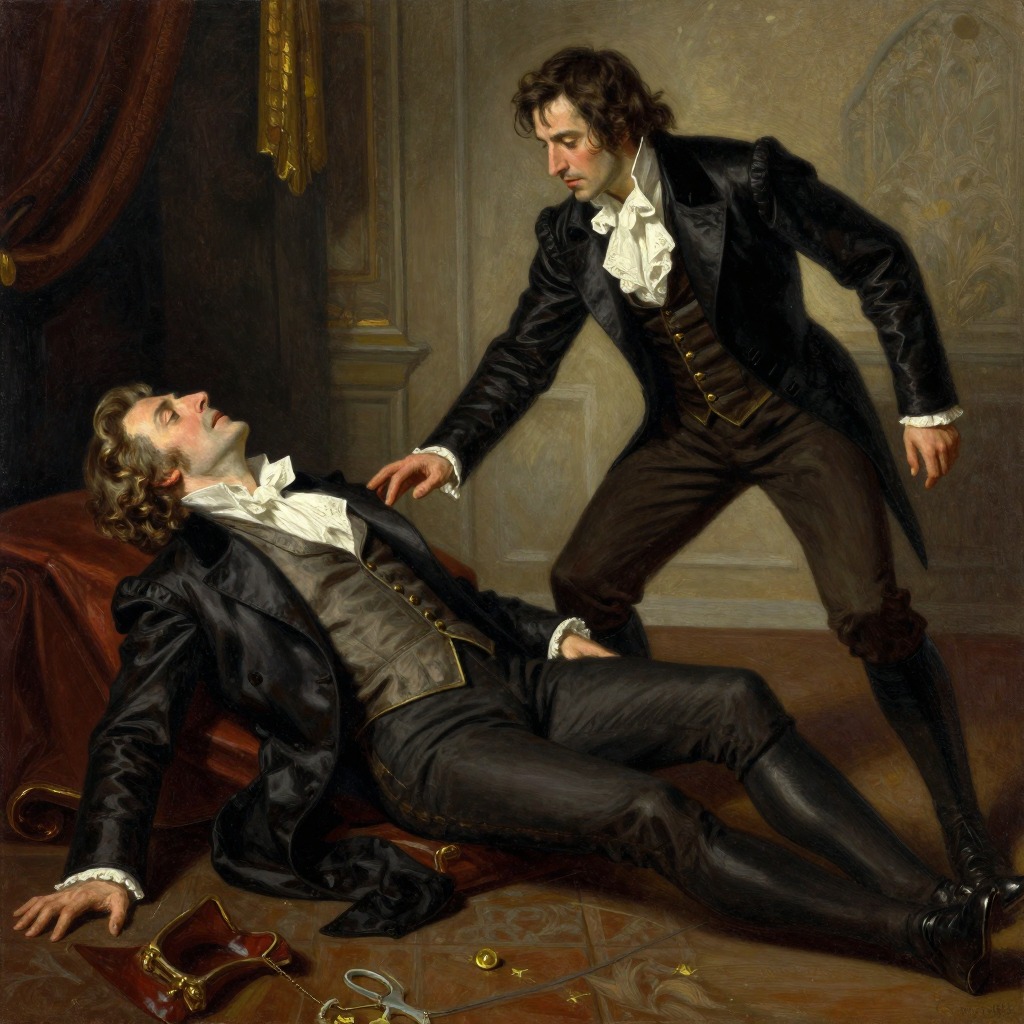
The Siren is also implicated in the tragic death of Count Philippe de Chagny. After the disappearance of Christine Daae and Raoul, the count, believing that his brother has run away with the singer, dashes in pursuit along the Brussels Road. Failing to find them, he returns to the Opera, remembers Raoul's strange confidence about his fantastic rival, and learns that the viscount has disappeared, leaving his hat in the prima donna's dressing-room. The count, no longer entertaining any doubt of his brother's madness, darts into the infernal underground maze. His body is later found on the bank of the Opera lake, on the Rue-Scribe side, where the siren, Erik's siren, keeps watch. The Persian, who remembers the requiem mass he heard from behind the wall of the torture-chamber, has no doubt concerning the crime and the criminal. Erik himself later claims that the count's death was an accident, that he fell awkwardly but simply and naturally into the lake, but the presence of the Siren at the scene suggests that the count, like The Persian before him, was lured to his doom by the enchanting voice.
The Siren's Significance
The Siren is one of the most striking examples of Erik's genius and his tragic nature. It is a device that turns the very essence of his art—music, the voice—into a weapon of death, reflecting the way his extraordinary talents have been twisted by his monstrous ugliness and his isolation from humanity. The Siren is also a symbol of the danger that surrounds Christine Daae and all who venture near Erik's domain, a reminder that the beauty of the underground world is always accompanied by the threat of destruction. The Persian's near-death experience and the count's fatal encounter with the Siren demonstrate the power of Erik's inventions and the lengths to which he will go to protect his secrets. The Siren, like Erik himself, is a figure of both wonder and horror, a testament to the novel's exploration of the sublime and the monstrous.